View Charts
COMEX Gold Futures: 100 oz Contracts Explained
 0
0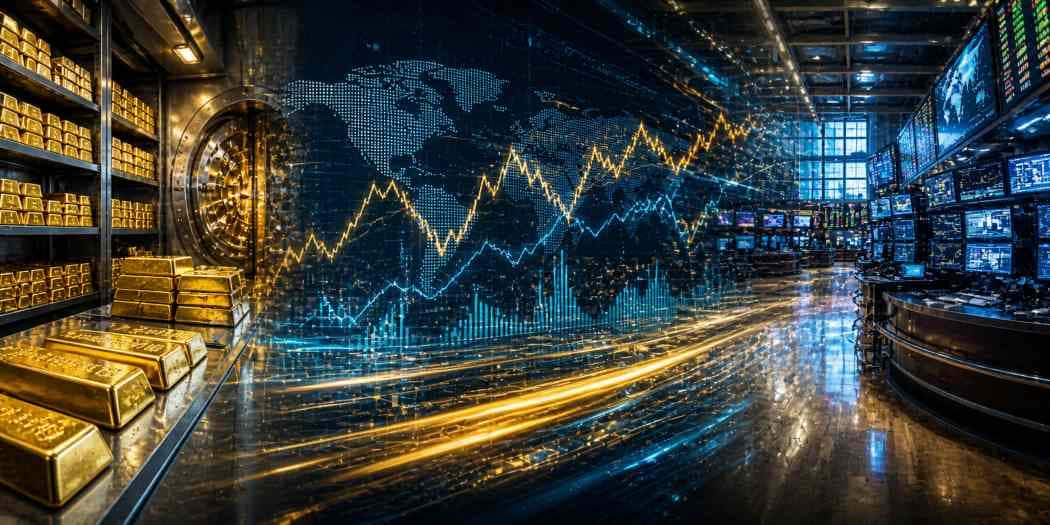
COMEX Gold Futures: How They Work and Why They Matter
As gold prices continue to trade near historic highs in 2026, more investors are looking beyond physical gold bullion and into derivatives markets to understand how price discovery actually happens. COMEX gold futures sit at the center of global pricing, influencing everything from spot markets to retail bullion premiums. With rising volatility driven by interest rate expectations, geopolitical risk, and institutional demand, understanding how these contracts function—especially the 100 oz standard contract and margin requirements—is essential for anyone serious about gold investing today.
Why COMEX Futures Drive Global Gold Pricing
The COMEX division of the CME Group is where the majority of gold futures trading occurs. While physical gold exists in vaults around the world, price discovery largely happens in the futures market, not through direct bullion transactions.
COMEX futures influence:
-
ETF valuations (such as GLD)
-
Dealer pricing and premiums
In practice, this means that when futures prices move, physical gold markets react almost instantly. In 2026, with algorithmic trading and institutional flows dominating activity, futures markets have become the primary engine behind short-term price movement.
The 100 oz Gold Futures Contract: Core Specifications
At the center of the COMEX market is the standard 100 troy ounce gold futures contract, often referred to as the GC contract.
Key specifications include:
-
Contract size: 100 troy ounces of gold
-
Price quotation: U.S. dollars per ounce
-
Minimum tick size: $0.10 per ounce ($10 per contract)
-
Delivery months: Multiple standardized contract cycles throughout the year
At a gold price of approximately $4,500 per ounce, one contract represents $450,000 in notional value. This scale is why futures trading is typically dominated by institutional participants, hedge funds, and professional traders.
Margin Requirements: Trading Large Positions with Less Capital
One of the defining features of COMEX gold futures is the use of margin.
Rather than paying the full contract value, traders are required to post:
-
Initial margin (to open a position)
-
Maintenance margin (to keep the position active)
In 2026, margin requirements typically represent a fraction of the total contract value, often around 5–10%, depending on volatility and exchange adjustments.
This creates leverage, allowing traders to control large positions with relatively small capital outlays. However, leverage also amplifies both gains and losses, making risk management critical.
Leverage in Practice: Opportunity and Risk
Leverage is what makes futures both powerful and dangerous.
For example:
-
A $50 move in gold = $5,000 gain or loss per contract
-
A $100 move = $10,000 impact
This means that even small price movements can produce significant financial outcomes.
In today’s market, where gold can move sharply in response to:
-
Federal Reserve signals
-
Geopolitical developments
-
Currency fluctuations
Leverage must be used carefully. Many experienced traders employ strict stop-loss strategies to manage risk.
Physical Delivery vs Cash Settlement: What Actually Happens
Although COMEX contracts allow for physical delivery, most positions are closed or rolled before expiration.
Delivery involves:
-
100 oz gold bars meeting exchange specifications
-
Transfer through approved vault systems
-
Settlement between counterparties
However, in reality:
-
The vast majority of contracts are settled financially
-
Only a small percentage result in physical delivery
This reinforces the idea that futures markets are primarily used for price exposure and hedging, rather than acquiring physical gold.
Who Uses COMEX Gold Futures and Why
COMEX gold futures are used by a wide range of participants, each with different objectives.
Hedgers:
-
Mining companies locking in future prices
-
Jewelers managing input costs
Speculators:
-
Traders seeking profit from price movement
-
Hedge funds positioning based on macro trends
Institutions:
-
Banks and asset managers managing large portfolios
-
ETF providers maintaining exposure
In 2026, institutional flows remain a dominant force, particularly as macro uncertainty continues to drive demand for gold exposure.
How Futures Impact the Physical Gold Market
Although futures are financial instruments, they have a direct influence on physical gold markets.
When futures prices rise:
-
Spot prices follow
-
Dealer premiums may expand
When futures decline:
-
Physical prices adjust lower
-
Retail demand may increase
This relationship explains why investors tracking physical gold must also monitor futures markets. The two are deeply interconnected, even though they operate in different segments of the market.
Volatility Drivers in Today’s Futures Market
Gold futures are highly sensitive to macroeconomic developments.
Key drivers in 2026 include:
-
Interest rate expectations and Treasury yields
-
Central bank gold buying
-
Geopolitical tensions, particularly in energy markets
For example, recent oil-driven inflation concerns and rising yields have created sharp swings in futures pricing, leading to increased volatility across both futures and spot markets.
Contract Cycles and Rolling Positions
Gold futures contracts expire on a scheduled basis, requiring traders to either:
-
Close their position
-
Roll into a later contract
Rolling involves:
-
Selling the current contract
-
Buying a future-dated contract
This process introduces additional costs and considerations, including:
-
Price differences between contract months
-
Market structure (contango or backwardation)
Understanding contract cycles is essential for maintaining continuous exposure.
COMEX vs Spot Gold: Key Differences
While closely linked, COMEX futures and spot gold are not identical.
COMEX futures:
-
Forward-looking price
-
Influenced by expectations and positioning
-
Includes cost-of-carry factors
Spot gold:
-
Immediate physical price
-
Reflects current supply and demand
The difference between the two is known as the basis, and it can fluctuate depending on market conditions.
Why Futures Matter for Everyday Investors
Even investors who never trade futures are affected by them.
COMEX activity determines:
-
Daily price direction
-
Volatility levels
-
Market sentiment
For bullion buyers, this means:
-
Understanding futures helps explain price moves
-
Timing purchases becomes more informed
-
Market behavior becomes more predictable
In a market increasingly driven by institutional flows, futures knowledge is no longer optional—it is foundational.
How COMEX Gold Futures Fit Into Today’s Market Structure
Gold markets in 2026 are shaped by a complex interaction between:
-
Physical demand
-
Financial markets
-
Macroeconomic forces
COMEX futures sit at the intersection of these forces, acting as both:
-
A pricing mechanism
-
A risk management tool
As global uncertainty persists and demand for gold remains strong, futures markets will continue to play a central role in shaping how gold is priced and traded worldwide.
Related reading you may find interesting:
Gold Options Trading: Calls, Puts & Strategy Guide
Private Vault Insurance: Lloyd’s All-Risk Coverage Guide