View Charts
Assay vs. Certificate of Authenticity: How are they Different?
 0
0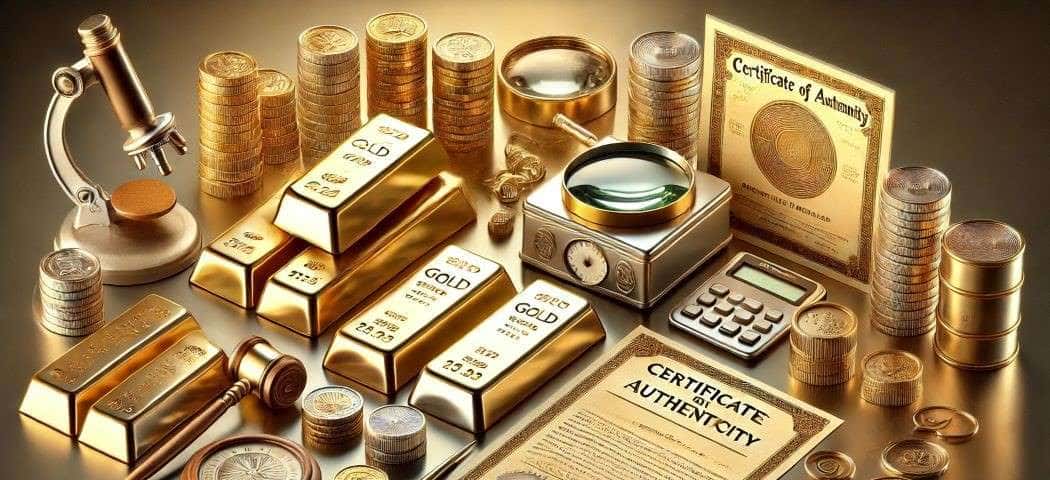
When buying precious metals like gold, silver, platinum, or palladium, you may encounter two key documents: the assay and the certificate of authenticity. Both play an essential role in confirming the purity and authenticity of precious metal items, but they provide different assurances. Knowing the differences between an assay and a certificate of authenticity can help you make smarter investment choices and guarantee the integrity of your purchases.
What is an Assay?
An assay is an in-depth analysis used to determine the purity and composition of a precious metal. Specialized labs or facilities conduct assays using sophisticated testing methods to provide a reliable assessment of the metal’s makeup. The results are then documented in an assay report, offering specific data on the purity of the item.
Types of Assays:
-
Fire Assay: Often regarded as the "gold standard" for precious metal testing, fire assay involves melting the sample at extremely high temperatures to isolate and precisely measure the amount of pure metal within it. This traditional, highly accurate method requires skill and specialized equipment, as the metal must be separated from impurities and other elements. Fire assays are especially common for gold and silver, providing reliable results but are a time-intensive, destructive test that consumes a portion of the metal.
-
X-Ray Fluorescence (XRF) Assay: XRF is a quick, non-destructive method that uses X-rays to analyze the elemental composition of a metal. When X-rays are directed at the sample, they excite the atoms, causing them to emit fluorescent X-rays that reveal their elemental structure. XRF is popular for gold, silver, and other metals due to its convenience, allowing for rapid analysis without damaging the item. However, while accurate, XRF does not always match the precision of fire assays for exact purity measurements.
-
Electronic Assay: This method uses electronic devices to measure the metal’s electrical conductivity and other properties, giving a rough estimate of purity. Conductivity is affected by the metal’s composition, allowing the device to provide a general indication of purity or authenticity. Although less precise than fire or XRF assays, electronic assays are valued for their speed, portability, and non-destructive nature, making them ideal for quick, on-the-go checks of items like coins and bars.
-
Ultrasound Assay: Ultrasound assays use high-frequency sound waves to test the density and internal structure of precious metals. By passing sound waves through the item, the device evaluates how the waves reflect, indicating density variations that could reveal impurities or inconsistencies. This non-invasive method is especially useful for testing thick items, such as gold bars, where internal purity is critical. While not as precise as fire assays, ultrasound assays offer a reliable way to verify authenticity without altering the item.
-
Touchstone Assay: A historical method often used for gold, touchstone assay involves rubbing the metal on a smooth, black stone to leave a streak. Various acids are applied to the streak to observe the metal’s reaction, with stronger acids used for purer gold. This low-cost, portable method provides a quick indication of gold content, particularly in field settings, though it is less accurate than modern techniques. The touchstone assay is now mainly used for preliminary testing due to its simplicity and non-invasive nature.
Assay Markings:
-
Assay Stamp: Many assayed items bear an assay stamp that clearly indicates the metal’s purity, such as “999.9” to represent 99.99% gold purity. This mark helps ensure buyers of the metal’s high quality and authenticity.
-
Assayer’s Mark: A unique symbol or mark from the assaying facility, the assayer’s mark further verifies the legitimacy of the assay. It serves as an assurance of the accuracy of the purity assessment, adding a layer of credibility to the item.
-
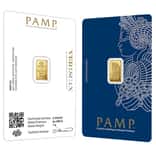
Assay Certificate: An assay certificate is often included with precious metal items, especially bullion bars and coins, to certify their purity and authenticity. These items are frequently sealed in tamper-evident packaging along with the certificate, ensuring that the metal remains protected and its assay results remain verifiable.
What is a Certificate of Authenticity?
A Certificate of Authenticity (COA) is a document that certifies the genuineness of a precious metal item. COAs are typically issued by the manufacturer or an established third-party authority. Unlike an assay, which scientifically analyzes the metal’s composition, a COA primarily guarantees that the item is authentic and produced according to specific standards and quality controls.
Components of a COA:
-
Item Description: Details on the precious metal’s weight, purity, dimensions, and any distinctive features or serial numbers.
-
Issuer Information: Identifies the issuing authority, such as the mint, manufacturer, or third-party certifier.
-
Signature and Seal: Often includes an authorized signature or seal, adding an extra layer of security against counterfeiting.
Purpose of a COA:
-
Authenticity Verification: Confirms the item is genuine and produced by the specified mint or manufacturer.
-
Quality Assurance: Guarantees that the item meets outlined purity and quality standards.
Key Differences Between an Assay and a Certificate of Authenticity
Purpose:
-
Assay: Provides a scientific analysis verifying the content and purity of the metal.
-
Certificate of Authenticity: Confirms the item is genuine and meets set quality standards.
Process:
-
Assay: Involves lab testing methods like fire, XRF, or electronic assays.
-
Certificate of Authenticity: Relies on item provenance and standards from the issuing authority without lab testing.
Information Provided:
-
Assay: Detailed data on metal composition and purity, often with assay stamps and assayer’s marks.
-
Certificate of Authenticity: Item description, issuer details, and quality guarantee, usually with a signature and seal.
Usage:
-
Assay: Often used by investors to confirm the intrinsic metal value of bullion bars and coins.
-
Certificate of Authenticity: Reassures buyers about the authenticity and quality of various precious metal items, including coins, bullion, and jewelry.
Ensuring Confidence in Your Precious Metal Investments
Both assays and certificates of authenticity are vital in the precious metals market, offering different layers of verification and assurance. An assay scientifically validates the metal’s purity, proving crucial for bullion bars and coins. Meanwhile, a COA certifies the item’s authenticity and quality, providing peace of mind to buyers and collectors.
When investing in precious metals, consider both the assay and the COA to ensure a secure purchase. Understanding these documents will help you make informed decisions in the precious metals market with confidence.
Another article that may interest you:
How to Test Gold at Home: Simple and Reliable Methods