View Charts
A Beginner’s Guide to Numismatics: Starting Your Coin Collection
 0
0
Numismatics, the study and collection of coins, is a fascinating hobby that combines history, art, and investment. For beginners, the world of coin collecting may seem overwhelming with its rich history, intricate designs, and various terms. However, with a little knowledge and a lot of enthusiasm, anyone can start a coin collection that is both personally rewarding and potentially financially beneficial. This guide will walk you through the basics of numismatics, offering tips on how to start your coin collection.
Understanding Numismatics
Numismatics is not just about collecting coins; it’s about appreciating the history, culture, and art that coins represent. Coins can tell stories of past civilizations, political changes, and economic conditions. For example, ancient Roman coins provide insights into the empire’s rulers and their conquests, while early American coins reflect the fledgling nation's growth and values.
Collecting coins can also be seen as an investment. Certain rare or historically significant coins can appreciate in value over time, making them a valuable asset in addition to being a fascinating hobby.
Getting Started: What to Collect?
One of the first decisions you’ll need to make is what type of coins you want to collect. Here are a few popular options:
-
Historical Coins: Coins from different historical periods, such as ancient Roman coins or medieval European coins, offer a glimpse into the past.
-
Country-Specific Coins: Some collectors focus on coins from a specific country, like U.S. coins or British coins. This can include modern coins or coins from a particular era.
-
Thematic Coins: These coins are collected based on a specific theme, such as animals, famous people, or significant events depicted on the coins.
-
Error Coins: These are coins that were minted with mistakes, such as a misprinted date or an off-center strike. Error coins can be rare and valuable.
-
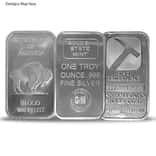
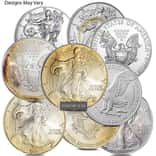
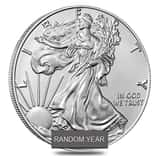
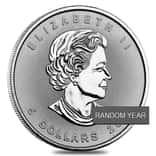
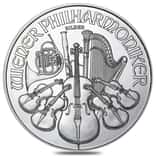
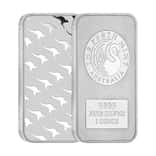
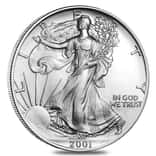
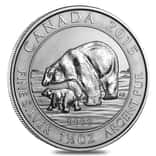
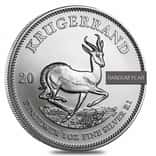
Bullion Coins: Coins made from precious metals like gold, silver, or platinum. While these coins are often collected for their metal content, certain bullion coins also have numismatic value due to their rarity or design.
Essential Tools for Coin Collecting
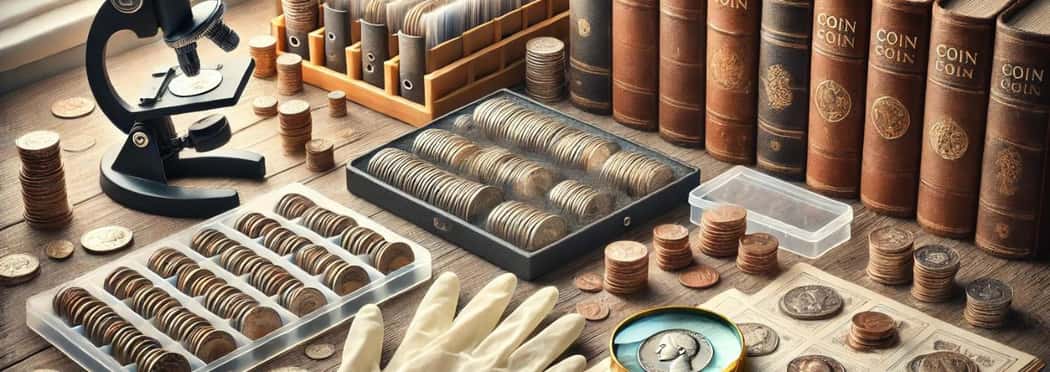
Before diving into numismatics, it’s important to have the right tools to protect and organize your collection:
-
Coin Albums and Holders: These protect your coins from damage while keeping them organized. Coin holders are small cases that protect individual coins, while albums allow you to display and organize your collection.
-
Magnifying Glass: A magnifying glass helps you examine coins for details that may not be visible to the naked eye, such as small mint marks or minute imperfections.
-
Coin Catalogs: These are books or online databases that provide information on different coins, including their history, minting details, and approximate value.
-
Storage Boxes: To protect your collection from environmental factors like humidity and dust, store your coins in a cool, dry place. Special storage boxes designed for coin collections are available.
-
Gloves: When handling coins, especially valuable ones, it’s advisable to wear cotton or nitrile gloves to avoid transferring oils and dirt from your hands to the coins.
Learning the Language: Coin Grading
Understanding how coins are graded is crucial for any numismatist. Coin grading is the process of determining a coin’s condition, which significantly affects its value. Here’s a basic overview:
-
Mint State (MS): Coins that have never been in circulation and show no signs of wear. They are graded from MS-60 to MS-70, with MS-70 being a perfect coin.
-
About Uncirculated (AU): Coins that show only slight signs of wear. These are graded from AU-50 to AU-58.
-
Extremely Fine (EF or XF): Coins with minimal wear, usually on the highest points of the design, graded between EF-40 and EF-45.
-
Very Fine (VF): Coins with moderate wear, where the major details are still visible, graded between VF-20 and VF-35.
-
Fine (F): Coins that show considerable wear but still retain most of their details, graded between F-12 and F-15.
-
Good (G): Heavily worn coins where major features are still visible but most of the fine details are gone, graded G-4 to G-6.
-
Poor (P or AG for About Good): Coins that are very worn, with little detail remaining. They are usually graded P-1 or AG-3.
Learning to grade coins accurately takes time and practice. Beginners might consider getting their coins graded by a professional grading service until they feel confident in their skills.
Buying Coins
When purchasing coins, especially as a beginner, it’s important to buy from reputable dealers. Here are some tips:
-
Research Dealers: Look for dealers with good reviews and a strong reputation in the numismatic community. Bullion Exchanges, for instance, is known for its wide selection of coins and trusted service.
-
Beware of Fakes: Unfortunately, the numismatic market has its share of counterfeit coins. Familiarize yourself with common signs of fakes, such as incorrect weight, off-center designs, or poor craftsmanship.
-
Start Small: It’s advisable to start with less expensive coins and gradually move to more valuable pieces as you gain experience and confidence.
-
Attend Coin Shows: Coin shows are excellent places to meet dealers, see a wide variety of coins, and learn more about numismatics.
Building Your Collection
As you begin to acquire coins, it’s important to keep track of your collection. Maintaining a detailed inventory will help you manage your collection, track its value, and identify gaps you’d like to fill. Include information such as the coin’s date, mint mark, grade, and purchase price.
It’s also beneficial to join a numismatic club or online community. Engaging with other collectors can provide valuable insights, advice, and opportunities to trade or purchase coins.
Conclusion
Starting a coin collection can be a rewarding hobby that combines history, art, and investment. Whether you’re drawn to the historical significance of ancient coins, the beauty of bullion coins, or the thrill of finding a rare error coin, numismatics offers something for everyone. By starting with the basics, using the right tools, and learning as you go, you can build a coin collection that brings you joy and, potentially, financial returns. Happy collecting!