View Charts
1964 vs. 1965 Washington Quarters: Silver vs. Clad Value Guide
 0
0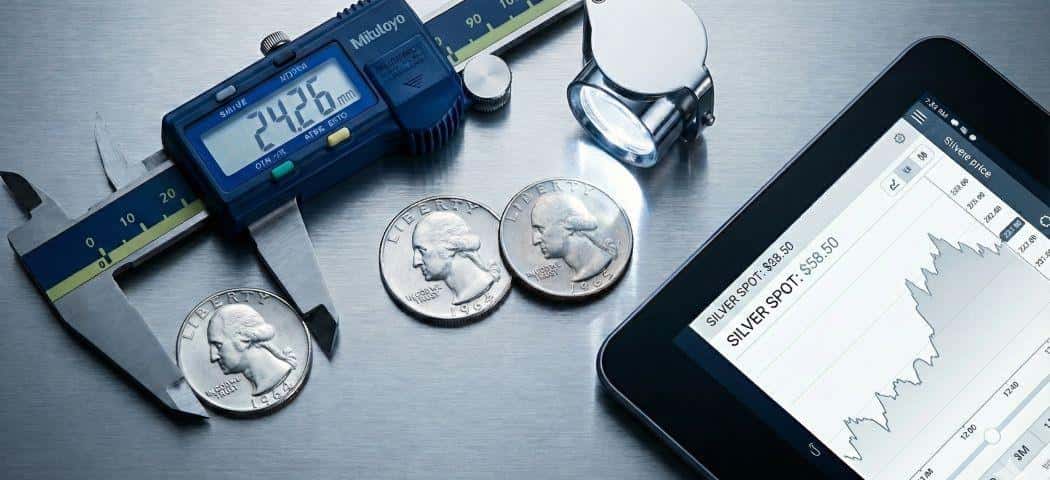
Two Similar Quarters—Two Completely Different Values
At first glance, the 1964 and 1965 Washington Quarters look nearly identical. Yet beneath their shared design lies one of the most consequential turning points in U.S. coinage history—the end of circulating silver coinage. Rising silver prices, hoarding, and monetary pressures forced a nationwide shift in 1965, creating a clear divide between the last 90% silver quarter and the first modern clad quarter.
For collectors and investors, understanding the difference between these two dates is an essential part of identifying value. The 1964 silver quarter remains a sought-after bullion coin with intrinsic melt value, while the 1965 clad quarter represents the dawn of a new, silver-free era.
1964: The Final Circulating U.S. Silver Quarter
For more than a century, U.S. dimes, quarters, and half dollars were minted with 90% silver. The 1964 Washington Quarter was the last to use this historic alloy before the Mint made a permanent shift to copper-nickel clad coinage.
Collectors and silver investors continue to favor the 1964 issue because it contains 0.1808 troy ounces of silver, making it far more valuable than its face denomination. It is also the cornerstone of the pre-1965 “junk silver” market—widely used by investors who seek fractional silver for trading, diversifying, or hedging against inflation.
Why 1964 Silver Quarters Remain in Demand
-
Intrinsic melt value tied to the silver spot price
-
Historical significance as the last silver quarter minted for circulation
-
High liquidity in the bullion market
-
Affordability for new investors building a silver portfolio
For many buyers, the 1964 quarter is not only a collectible but a practical and accessible form of physical silver.
Specifications and Melt Value of the 1964 Silver Quarter
-
Composition: 90% silver, 10% copper
-
Weight: 6.25 grams
-
Silver Content: 0.1808 troy oz
-
Diameter: 24.3 mm
With silver above $58 per ounce, the melt value of a single 1964 quarter sits around $10.50, making it more than 40x its face value. Melt value increases or decreases based on spot price, but the intrinsic metal content ensures the 1964 quarter always carries real precious-metal worth.
Why 1965 Ended Silver Coinage in the United States
By the early 1960s, the price of silver began climbing sharply. For the first time in American history, the metal value of a circulating coin was worth more than its face value, prompting widespread hoarding of silver quarters and dimes. The nation experienced a genuine coin shortage as consumers removed silver change from circulation faster than the Mint could produce it.
To stabilize the monetary system, Congress passed the Coinage Act of 1965, removing silver from quarters and dimes entirely. This decision introduced the modern copper-nickel clad quarter, the same metal composition used today.
The 1965 quarter marked the official transition from silver to base-metal coinage—a shift that continues to shape the precious-metals market.
1965 Washington Quarter: The First Clad Circulating Quarter
Unlike its silver predecessor, the 1965 Washington Quarter contains no silver and holds minimal collectible premium unless an error is present. The clad composition brought significant cost savings and reduced the impact of silver price fluctuations on U.S. coin production.
1965 Quarter Specifications
-
Outer Layers: 75% copper, 25% nickel
-
Core: Pure copper
-
Weight: 5.67 grams
-
Diameter: 24.3 mm
Because it lacks precious metal, most 1965 quarters remain worth face value—unless you discover a rare transitional error.
How to Identify a Silver Quarter in Seconds
Although the designs are similar, you can quickly distinguish silver and clad quarters by using these simple methods:
1. Check the Date
1964 and earlier → 90% silver
1965 and later → copper-nickel clad
2. Look at the Edge
-
Silver edge: Bright, uniform silver color
-
Clad edge: Distinct copper band
3. Weigh the Coin
-
1964 silver quarter: 6.25 g
-
1965 clad quarter: 5.67 g
These tests help collectors avoid overlooking valuable silver quarters in change or mixed coin bags.
Rare and Valuable 1965 Quarter Errors Worth Spotting
Although standard 1965 quarters hold no bullion value, several rare mint errors can dramatically increase their worth. The most valuable of these is the 1965 silver transitional error, struck on leftover 90% silver planchets intended for 1964 quarters.
Key 1965 Error Types
-
1965 Silver Planchet Error — Worth hundreds to thousands of dollars when certified
-
Double-die obverse or reverse errors
-
Off-center or misaligned strikes
-
Broadstrikes and clipped planchets
Because errors must be authenticated, PCGS or NGC certification is highly recommended.
Why Silver Investors Favor 1964 Quarters
Silver Washington Quarters remain one of the most accessible avenues for accumulating precious metal. They offer:
-
Straightforward verification
-
Premiums close to melt value
-
Strong liquidity during economic volatility
-
Trusted silver purity backed by the U.S. Mint
For investors seeking fractional silver without high premiums, pre-1965 quarters are a practical and reliable addition to any bullion portfolio.
Bullion Exchanges: Your Trusted Source for Silver Quarters
At Bullion Exchanges, we offer a wide selection of pre-1965 silver quarters, 90% silver bags, silver rolls, and investment-grade bullion. Every product is tested for authenticity to ensure customers confidently build their silver holdings.
Whether you are a seasoned collector or beginning your silver-stacking journey, our team is here to help you find the right silver coins for your investment goals.
Two Coins, One Historic Divide
The 1964 vs 1965 Washington Quarter comparison highlights a dramatic shift in U.S. monetary history. The 1964 silver quarter represents the final chapter of circulating precious-metal currency, while the 1965 clad quarter symbolizes the beginning of modern coinage. For collectors and investors, understanding this difference makes all the difference in identifying true value.
If you’re ready to expand your silver collection, explore Bullion Exchanges’ extensive inventory of silver coins, precious-metal investment products, and collectible U.S. coinage.
Related reading you may find interesting:
Rare 1999 State Quarter Errors on Sacagawea Planchets