
 View Charts
BID
ASK
Change
$1,923.70
$1,948.70
$10.20
Platinum spots
Prices
Change
Platinum Per Oz
$1,948.70
$10.20
Platinum Per Gram
$62.65
$0.33
Platinum Per Kilo
$62,652.16
$327.94
Live Spot Prices last updated: 06/01/2026 at 3:23 AM ET
Platinum spot price today
At 3:23 AM ET on June 1, 2026, Platinum is trading at a live spot price of $1,948.70 per ounce, $62.65 per gram, and $62,652.16 per kilogram in U.S. dollars (USD).
Track the live platinum spot price today with real-time data, interactive charting, and market analysis focused on both investment and industrial demand. The platinum spot price represents the current global value of one troy ounce of platinum available for immediate settlement and serves as the benchmark for pricing platinum bullion products worldwide.
Unlike gold, platinum is heavily influenced by industrial consumption—particularly the automotive sector—making its price movements distinct within the precious metals market.
Join our mailing list for special offers & updates
Gold
View price chart
$4,513.50$59.50
Silver
View price chart
$76.06$0.09
Platinum
View price chart
$1,948.70$10.20
Palladium
View price chart
$1,384.50$7.40
Bitcoin
View price chart

$73,097.56$0.00
Gold to Silver Ratio
View price chart
Gold to Platinum Ratio
View price chart
Gold to Palladium Ratio
View price chart
Platinum to Palladium Ratio
View price chart
Compare quotes
View price chart
Popular Products
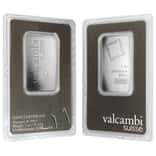

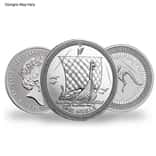
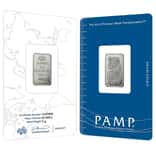


Sign up for spot price alerts
Free! Sign up for email and/or SMS Spot Price Alerts
Price alert
Market alert
Platinum Market Today — Price Trends & Analysis
Updated May 29, 2026 | 9:10 AM ET
Platinum is gaining ground this morning, with the one ounce spot price up 1.10% from the previous morning to $1,934.70. The rise reflects steady interest in platinum’s industrial role as investors weigh supply constraints against demand from automotive catalysts, hydrogen technology, and broader clean-energy applications. Johnson Matthey’s recent PGM market outlook pointed to another platinum supply shortfall in 2026, keeping the metal supported even as macro trading remains cautious. Today’s move suggests buyers are responding to platinum’s tighter market balance rather than chasing a broad precious metals rally.
Key Driver: Platinum is supported by expected supply deficits and durable industrial demand.
What Is the Platinum Spot Price?
The platinum spot price is the internationally recognized reference value for platinum traded in wholesale markets. It reflects the most recent transaction price for immediate delivery and is used by refiners, industrial buyers, and bullion dealers to price physical platinum bars and coins.
Price discovery occurs through a combination of futures exchanges and over-the-counter trading networks, with global participation shaping daily pricing.
When purchasing physical platinum, buyers pay the spot price plus a premium. When selling, transactions are based on the prevailing bid relative to spot.
What Contributes to the Platinum Price?
Platinum’s pricing structure differs from gold and silver due to its strong industrial foundation.
Automotive Demand
Platinum is widely used in catalytic converters to reduce vehicle emissions. Changes in vehicle production volumes and environmental regulations directly affect demand.
Industrial Applications
Beyond automotive use, platinum is utilized in chemical processing, petroleum refining, medical equipment, and emerging hydrogen fuel cell technologies.
Supply Concentration
A significant portion of global platinum supply originates from South Africa and Russia. Mining disruptions, labor issues, and geopolitical developments in these regions can quickly impact pricing.
Investment Demand
Although platinum is primarily industrial, investor interest in platinum bullion and ETFs can influence price direction, particularly during periods of commodity sector momentum.
Currency and Interest Rates
Like other precious metals, platinum is priced globally in U.S. dollars, making currency strength a contributing factor.
Platinum Spot Price vs. Platinum Futures
The platinum spot price reflects immediate settlement, while futures contracts represent delivery at a specified future date. Differences between spot and futures prices may indicate supply tightness, storage costs, or forward market expectations.
Understanding these dynamics provides insight into broader commodity market structure.
Platinum Bid, Ask & Premiums
Market pricing includes:
-
Bid Price — the price buyers are prepared to pay
-
Ask Price — the price sellers are offering
The spread reflects market liquidity. Physical platinum products trade above spot due to minting, fabrication, and distribution costs. Premium levels can vary based on supply availability and industrial demand conditions.
Why Platinum Prices Can Be More Volatile
Platinum often experiences greater price swings than gold because its demand is tied to cyclical industrial activity. During economic expansion, rising manufacturing output can support platinum prices. Conversely, slowdowns in auto production or industrial demand may apply downward pressure.
Comparing the platinum spot price with the gold spot price can provide insight into broader macroeconomic conditions, as platinum typically performs differently during periods of risk aversion versus growth optimism.
Platinum Price History & Market Cycles
Historically, platinum has traded both above and below gold at various points in the economic cycle. Supply disruptions, industrial expansion, and regulatory shifts have all contributed to its long-term price behavior.
Reviewing historical platinum price charts offers perspective on how industrial demand trends and commodity cycles influence valuation over time.
Monitor Other Precious Metal Spot Prices
Platinum operates within the broader precious metals ecosystem. Tracking related metals can provide context for relative value opportunities and sector rotation.
You can also monitor:
Comparing live spot prices across metals helps investors evaluate diversification strategies and identify shifts in industrial or investment demand.
Stay Connected With Price Alerts and the Bullion Exchanges App
Bullion Exchanges offers tools designed to keep you informed:
-
Platinum Price Alerts — Set target prices and receive notifications when platinum reaches your level.
-
Market Alerts — Track real-time percentage or dollar-based changes.
-
Bullion Exchanges App — Access live platinum pricing, interactive charts, and alerts directly from your mobile device.
Alerts are available via email, SMS, and push notification, allowing you to respond quickly to market developments.
Buy and Sell Platinum Based on the Live Spot Price
Bullion Exchanges provides transparent platinum pricing tied directly to the live platinum spot price. Explore our selection of platinum bars and platinum coins, all priced in line with current global market conditions.
Whether you are adding platinum to diversify your portfolio or responding to industrial market shifts, tracking the real-time platinum price ensures informed decision-making grounded in accurate data.