View Charts
Gold-to-Silver Ratio Trading: 3 Practical Bullion Strategies
 0
0
How the Gold-to-Silver Spread Helps Investors Read Market Value
Gold-to-silver ratio trading is a strategy that compares how many ounces of silver it takes to buy one ounce of gold, then uses that relationship to guide timing between the two metals. When the ratio is historically high, silver may appear undervalued relative to gold. When the ratio is historically low, gold may appear more attractive compared with silver. The idea is not to predict prices perfectly, but to identify when the market may be stretching too far in one direction.
That matters now because gold and silver are responding to different forces. Gold has been supported by central bank demand, geopolitical risk, ETF flows, and inflation hedging, while silver is also tied to solar energy, electrification, industrial fabrication, and artificial intelligence infrastructure. The World Gold Council recently noted that geopolitical factors remain central to 2026 gold demand, supporting central bank buying, ETF inflows, and bar and coin accumulation. The Silver Institute’s 2026 World Silver Survey also highlighted continued physical market tightness, including silver’s fifth straight annual deficit in 2025.
Ratio Arbitrage Turns Relative Value Into a Metals Plan
Historical ratio arbitrage is built on a simple question: is gold expensive compared with silver, or is silver expensive compared with gold? The gold-to-silver ratio answers that by dividing the gold spot price by the silver spot price. If gold trades at $4,500 per ounce and silver trades at $75 per ounce, the ratio is 60:1, meaning one ounce of gold equals roughly 60 ounces of silver.
In practice, investors use the ratio as a relative-value tool rather than a standalone buy or sell signal. A high ratio may encourage some investors to rotate from gold into silver, expecting silver to outperform. A low ratio may encourage the opposite: shifting silver gains into gold. This makes the strategy different from ordinary price chasing. It focuses less on whether both metals are rising or falling and more on which metal may be mispriced against the other.
The appeal is strongest for physical bullion buyers who already hold both metals. Instead of selling metals for cash and leaving the precious metals market entirely, a ratio trader may exchange one metal for another to rebalance ounces, manage exposure, or take advantage of unusually wide spreads. This is why gold-to-silver ratio trading often appeals to long-term stackers, disciplined investors, and collectors who want a structured way to think about metal swaps.
Strategy 1: Swap Gold Into Silver When the Ratio Is Historically High
The first practical strategy is to consider swapping some gold exposure into silver when the ratio reaches historically elevated levels. A high ratio suggests silver is cheap compared with gold on a relative basis. For example, if the ratio moves well above its long-term norms, an investor may decide that each ounce of gold can command an unusually large amount of silver.
This does not mean silver must rise immediately. High ratios can persist during periods of recession fear, liquidity stress, or aggressive safe-haven demand for gold. Gold often outperforms when investors prioritize stability, central bank reserves, and monetary protection. Silver may lag during those periods because it carries more industrial sensitivity and tends to behave with greater volatility.
The potential opportunity comes when conditions begin to shift. If inflation hedging remains strong while industrial demand improves, silver can move faster than gold. Silver’s smaller market size can amplify moves once investor momentum returns. That is why some ratio traders view extremely high readings as a signal to gradually increase silver exposure rather than make an all-at-once trade.
This strategy works best when paired with patience and clear thresholds. Investors may choose to swap only a portion of gold holdings at a time, preserving core gold exposure while building silver ounces when relative value appears favorable. That approach avoids the mistake of treating the ratio as a precise timing tool.
Strategy 2: Swap Silver Into Gold When Silver Outperforms Too Far
The second strategy is the reverse: consider rotating silver gains into gold when the ratio falls sharply. A declining ratio means silver is outperforming gold. If the move becomes extreme, traders may use the opportunity to lock in silver’s relative strength and rebuild gold holdings.
This approach can be especially useful after silver rallies quickly. Silver often accelerates when industrial demand, retail investor interest, and momentum trading converge. Recent silver-market commentary has pointed to tight supply conditions and strong demand from solar, electronics, and energy infrastructure as key forces behind silver’s long-term strength. However, silver can also retreat quickly when traders take profits or when higher yields pressure speculative assets.
Gold can provide more stability during those resets. It has deeper liquidity, broader central bank ownership, stronger reserve-asset status, and a more established role in institutional portfolios. For investors who accumulated silver during a high-ratio period, a low-ratio environment may offer a chance to convert part of that silver into gold without leaving the hard-asset market.
The key is not to abandon silver entirely. Silver’s industrial demand profile gives it long-term upside potential, particularly when manufacturing, electrification, and clean energy investment are strong. Instead, this strategy treats silver outperformance as a rebalancing opportunity. The goal is to harvest relative gains and shift some value into gold’s steadier monetary profile.
Strategy 3: Use Tiered Ratio Targets Instead of One Perfect Entry
The third strategy is to use tiered ratio targets. Many investors make the mistake of waiting for a single “perfect” ratio before acting. Markets rarely cooperate that neatly. A tiered plan allows investors to make smaller swaps at multiple ratio levels, reducing the risk of mistiming a major move.
For example, an investor might decide in advance that a high ratio triggers a small gold-to-silver swap, a higher ratio triggers another, and an extreme ratio triggers a larger move. The same framework can work in reverse when silver outperforms. This creates discipline and removes some emotion from the process.
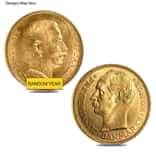
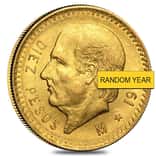
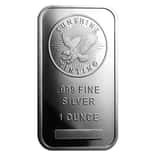
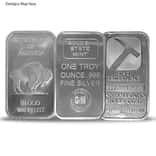
Tiered trading is especially helpful because transaction costs matter. Physical bullion swaps may involve bid-ask spreads, shipping costs, dealer premiums, product availability, and tax considerations. A ratio that looks attractive on a chart may be less attractive after real-world costs are included. Coins, rounds, and bars also trade differently. A Silver American Eagle, a generic silver round, a gold bar, and a pre-1933 gold coin do not all behave like pure spot-price instruments.
That distinction is essential. Bullion products are usually better suited for ratio trading because their prices track metal value more closely. Numismatic coins may include rarity, grade, mintmark, historical importance, or collector premiums that can overwhelm the metal ratio. Investors should avoid using rare coins as if they were interchangeable ounces in a simple arbitrage plan.
Gold’s Monetary Strength and Silver’s Industrial Demand Create the Spread
The gold-to-silver ratio exists because gold and silver are not driven by identical demand. Gold is primarily a monetary and reserve asset. Central banks buy gold to diversify reserves, manage currency risk, and reduce exposure to geopolitical uncertainty. Investors buy gold for wealth preservation, inflation protection, and portfolio stability. The World Gold Council has emphasized that geopolitical risk, central bank purchases, ETF demand, and bar and coin accumulation remain important drivers for gold in 2026.
Silver has a dual identity. It is a precious metal, but it is also an industrial material. Solar panels, electric vehicles, electronics, medical applications, brazing alloys, and advanced technology all consume silver. This means silver may outperform during periods of improving growth expectations or strong industrial demand, but it may underperform when markets fear economic slowdown.
That difference creates trading opportunities. When fear dominates, gold may lead. When growth and inflation themes strengthen together, silver may catch up quickly. Historical ratio arbitrage tries to benefit from these changing leadership cycles.
Scarcity, Deficits, and Above-Ground Supply Shape Silver’s Catch-Up Potential
Silver’s long-term setup is strongly influenced by supply-demand structure. The Silver Institute’s World Silver Survey 2026 reported that the market posted its fifth consecutive annual deficit in 2025, despite high prices and some demand destruction. That matters because recurring deficits can tighten available supply, especially when industrial users compete with investors for physical metal.
Gold’s supply profile is different. Annual mine supply changes slowly, while above-ground inventories are large and widely held. Much of the gold ever mined still exists in bars, coins, jewelry, and central bank reserves. This gives gold deep liquidity but also makes it less likely to experience the same industrial shortage dynamics as silver.
For ratio traders, this distinction is important. Silver may have stronger catch-up potential when the ratio is high and industrial demand remains firm. However, silver’s volatility can be uncomfortable. A favorable ratio does not eliminate price risk. It simply suggests that silver may be historically inexpensive relative to gold.
When Ratio Trading Can Go Wrong
Gold-to-silver ratio trading can fail when investors treat the ratio as a guarantee. A high ratio does not automatically mean silver will outperform soon. A low ratio does not automatically mean gold will immediately regain leadership. Markets can stay stretched longer than expected, especially when macro conditions are extreme.
Interest rates are one major risk. Higher real yields can pressure both metals, particularly gold because it does not produce income. Silver may face additional pressure if higher borrowing costs weaken industrial demand. Recent market coverage has shown gold reacting to Federal Reserve rate expectations, Middle East uncertainty, and oil-driven inflation concerns, all of which can affect the ratio’s movement.
Liquidity also matters. In stressed markets, investors may sell silver more aggressively because it is more volatile and less liquid than gold. Premiums can widen, product availability can change, and physical-market pricing may not match the ratio seen on a live chart. A disciplined trader should account for these frictions before making a swap.
How Investors Can Apply the Ratio Without Overtrading
A practical ratio plan begins with a clear objective. Some investors want to increase total ounces. Others want to preserve purchasing power, diversify metal exposure, or build a balanced bullion position over time. The ratio should serve that objective, not replace it.
One approach is to define a core holding in gold and silver that remains untouched. Around that core, an investor can use a smaller trading allocation for ratio-based swaps. This prevents overtrading and protects long-term exposure. It also reduces regret if the ratio continues moving after the first swap.
Investors should also compare the ratio against premiums. If silver premiums are unusually high, a gold-to-silver swap may be less attractive than the spot ratio suggests. If gold premiums are low while silver premiums are elevated, the real-world trade may favor gold even when the chart appears to favor silver. The best ratio traders understand that physical bullion is not a frictionless spreadsheet trade.
Historical Ratio Arbitrage Remains Useful in a Modern Metals Market
The gold-to-silver ratio remains one of the most useful tools for investors who want to compare value across precious metals. It connects monetary history, bullion pricing, industrial demand, and investor psychology in one simple number. Used carefully, it can help buyers avoid emotional decisions and identify moments when gold or silver may be stretched relative to the other.
The strongest approach is practical rather than predictive. Swap gradually, use tiered targets, respect premiums, and keep bullion separate from numismatic holdings. Gold provides stability and monetary depth. Silver offers volatility and industrial leverage. The ratio helps investors decide when one side of that relationship may deserve more attention.
Related reading you may find interesting:
Top 10 Rare Metals Driving Global Markets in 2026