
 View Charts
Copper spot price today
Sign up for spot price alerts
Free! Sign up for email and/or SMS Spot Price Alerts
Welcome to Bullion Exchanges’ live copper spot price chart. With this interactive chart, you can track the current value of copper and view its spot price history. Copper, like other precious and industrial metals, trades on a global market, causing its spot price to fluctuate continuously. This chart reflects the real-time price of one pound of copper, showing its value at any given moment as it responds to supply, demand, and economic developments.
Our copper spot price chart history provides insight into historical pricing trends, allowing you to view changes over various time frames—from the past hour to previous years. This historical data can be an invaluable tool for making informed investment decisions. Whether you’re looking to buy copper today or just want to keep track of market trends, checking the current spot price of copper is a good starting point.
Using this chart, you can explore copper’s price history over short and long time periods. Simply hover over any point on the chart to view copper’s price at a specific time. In addition to copper, Bullion Exchanges offers live spot price charts for gold, silver, platinum, and palladium, as well as charts for cryptocurrency values and precious metal ratios. Feel free to explore these resources to gain a more comprehensive view of the metals market.

Essential Properties of Copper
Copper has remained a crucial element across multiple industries due to its remarkable properties. Known for its high conductivity, copper is among the best conductors of electricity and heat, making it essential in electrical wiring and electronics. Its malleability and ductility allow copper to be shaped into wires, sheets, and intricate designs while maintaining durability. Additionally, copper’s natural corrosion resistance makes it ideal for plumbing, roofing, and other applications exposed to moisture and elements. Its antimicrobial qualities further enhance its value, as copper surfaces help reduce the spread of bacteria and viruses, making it invaluable in healthcare and sanitation.
Copper’s Role in World Coinage
Beyond its industrial uses, copper has a long history in coinage, dating back to the 3rd century BCE. Initially used in simple forms, copper coinage evolved as rulers began minting coins with alloys that best suited their needs. For example, Julius Caesar favored brass (a copper-zinc blend), while Octavius Augustus Caesar chose a copper-lead-tin alloy. Copper alloys resisted wear and corrosion, enabling intricate designs on coins and allowing for easy recycling and reissuance.
The Enduring Legacy of Copper in Currency
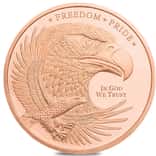
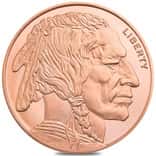
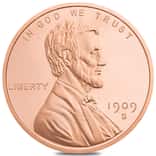
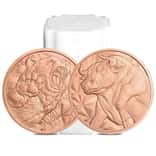
Copper’s use in coinage became a global standard, with the United States eventually adopting copper for pennies and using copper-nickel alloys for other denominations as the cost of gold and silver rose. Notably, during WWII, copper’s strategic importance led to its replacement in coins with alternative metals, like the 1943 Steel Lincoln Wheat Cent. Today, copper’s legacy endures in modern currency, as seen in the U.S. penny and the U.K.'s £1 and £2 coins, often with a copper-plated zinc or steel core. Copper rounds, such as the .999 fine 1 oz Copper Buffalo Round, are gaining popularity among collectors. Copper remains indispensable, symbolizing durability and adaptability across time.